Winning More Games with Mahjong Strategy
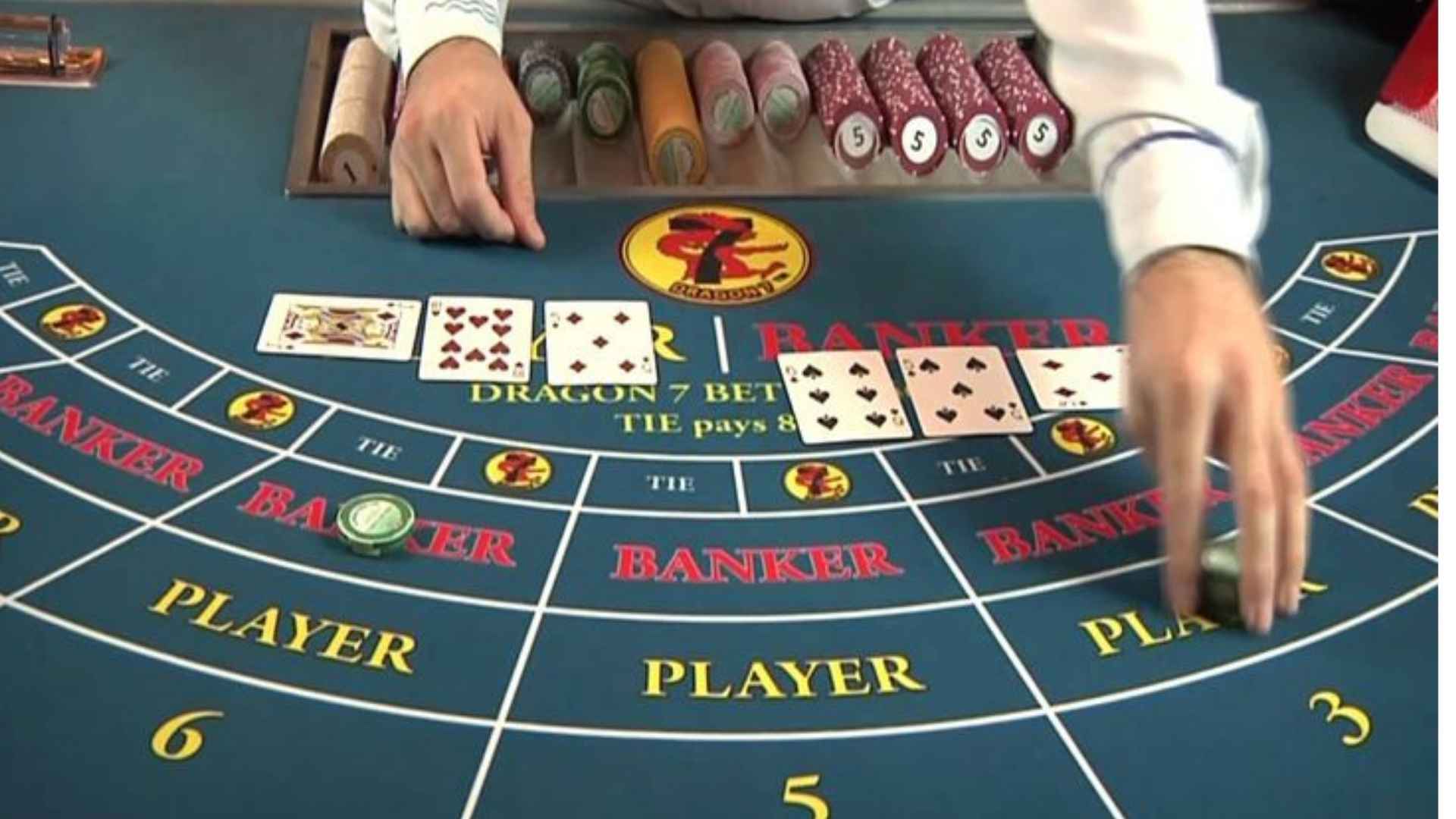
Mahjong is a game of profound depth where luck plays a role, but long-term success is heavily driven by deliberate tactical choices. Transitioning from a casual player to someone who consistently wins requires moving beyond basic tile matching toward a structured positional approach. By refining your setup routines and observing the table dynamically, you can significantly elevate your performance in every session.
Mastering the Five-Block Foundation
An essential concept for boosting efficiency is identifying your core tile groups as early as possible in the round. Most successful players mentally divide their starting hands into five distinct blocks that will eventually form their winning combinations. This disciplined visualization keeps you focused on your fastest path to completion while avoiding unnecessary distractions.
When assessing your structural options, it is often wise to discard isolated honor tiles that offer minimal connectivity. Prioritizing flexible numerical sequences over fixed pairs maximizes your mathematical probability of drawing helpful pieces. This foundational structure ensures your hand remains adaptable to whatever tiles find their way onto your side of the table.
The Value of Defensive Awareness
Winning consistently is not just about building your own hand but also about preventing your opponents from completing theirs. Experienced competitors monitor the open discard pile carefully to deduce what specific suits or numbers other players might be collecting. If an opponent shows signs of a near-complete high-value hand, pivoting to a defensive posture becomes necessary.
Discarding safe tiles that have already been thrown down reduces the risk of giving away a costly victory. Beginners can master these advanced threat assessments by checking reliable online platforms like M88 login to study strategic analytical techniques. Balancing a strong offensive plan with a cautious defensive mind is what truly separates top-tier players from casual enthusiasts.
Adapting to the Flow of the Match
Every match possesses a unique momentum that depends entirely on individual tile distribution and changing table dynamics. A strategy that worked perfectly in the opening rounds may need complete modification if key pieces are locked away in the wall. Remaining rigid with a single predetermined hand structure is one of the most common mistakes that leads to a loss.
Successful players constantly evaluate the speed of the game and adjust their risk tolerance accordingly. If the wall is running thin and your hand is still far from completion, playing for a safe draw is often the smartest choice available. Flexibility in decision-making preserves your standing and prepares you to capitalize on better opportunities in future rounds.
Refining Post-Game Analysis
True improvement happens when you take the time to review your choices after the tension of the match has settled. Evaluating why certain tile combinations failed provides invaluable insights into your personal decision-making patterns. Identifying recurring technical oversights allows you to consciously correct those bad habits before your next competitive session.
Practicing with family or using digital training tools offers a pressure-free environment to test alternative tile management concepts. The more comfortable you become with calculating probabilities under different rulesets, the more natural your instincts will feel. Committing to a continuous learning journey turns the quest for victory into a deeply rewarding intellectual experience.